
Freehold vs. Condo Townhouse in Ontario: Which Is Better?
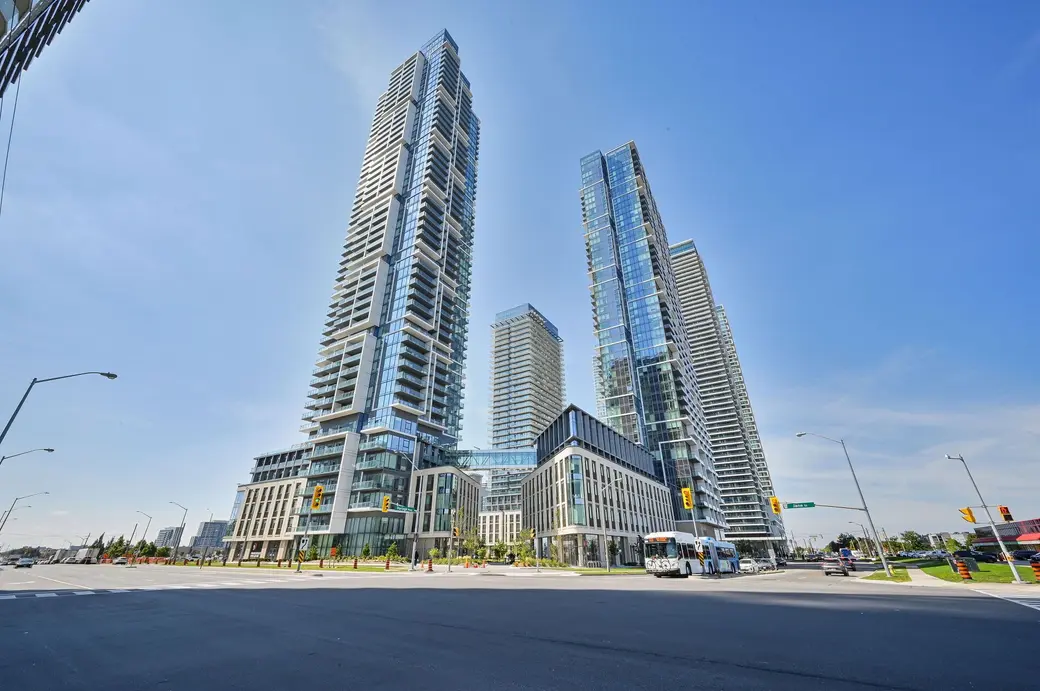
Freehold vs. Condo Townhouse in Ontario: Which Is the Better Buy?
Two townhouses may look almost identical from the street, but the way they're owned, maintained and financed can be very different.
By Ana Bastas, ABR®, SRS®, SRES®, RENE®
Founder & Team Lead | Listing Specialist
Ana Bastas Real Estate Team
Real Broker Ontario Ltd., Brokerage
Serving Halton, GTA, Hamilton & Niagara Region
Real Estate Professional Since 2012
One of the most common questions I hear when helping buyers search for a townhouse is:
"Ana, should we buy freehold or condo?"
And usually, the next comment is:
"We don't want maintenance fees."
I understand why.
When you're already budgeting for a mortgage, property taxes, insurance and utilities, the idea of paying another $300, $500 or $700 every month can be discouraging.
But here's something I always want my buyers to understand:
A property without condo fees doesn't mean a property without maintenance expenses.
And a townhouse with monthly fees isn't automatically a poor investment.
I've seen buyers eliminate excellent properties from consideration simply because they were condominium townhouses.
I've also seen buyers become excited about a freehold townhouse without fully appreciating the responsibility that comes with owning and maintaining it.
The right decision depends on more than the monthly fee.
It depends on how the property is owned, what you're responsible for, what the corporation covers, the purchase price, the financial health of the property and your long-term plans.
Let's break down the differences.
1. What Is a Freehold Townhouse?
A typical freehold townhouse is a property where you own the house and the land associated with it, subject to applicable easements, restrictions and other registered interests.
Unlike a conventional condominium townhouse, there generally isn't a condominium corporation responsible for maintaining shared common elements.
As the owner, you're typically responsible for maintaining your property.
That may include:
- Roof repairs and replacement.
- Exterior maintenance.
- Windows and doors.
- Landscaping.
- Snow removal.
- Driveway maintenance.
- Heating and cooling systems.
- Interior repairs.
- Other property-related expenses.
The advantage is that you generally have greater direct control over your maintenance decisions.
But that also means the responsibility—and the expense—rests with you.
Freehold ownership gives you control, but it also gives you responsibility.
2. What Is a Condo Townhouse?
A condominium townhouse is a townhouse that forms part of a condominium corporation.
Depending on the condominium structure, you may own a unit defined in the condominium documents, while the corporation manages and maintains certain common elements.
Owners pay regular common expenses, commonly called condo fees or maintenance fees.
Those fees contribute toward the corporation's operating expenses and reserve fund.
But there's an important detail:
Not all condo townhouses are structured the same way.
Some condominium corporations maintain significant exterior components.
Others place more maintenance obligations on individual owners.
That's why I don't want buyers assuming that purchasing a condo townhouse means the corporation will automatically pay for every exterior repair.
We need to review the condominium declaration and other relevant documents to understand the actual responsibilities.
3. What's the Difference Between a Freehold and Condo Townhouse?
At a high level, here's how the two ownership structures generally compare.
|
Feature |
Typical Freehold Townhouse |
Condo Townhouse |
|
Ownership |
House and associated land |
Condominium unit, with ownership interests and rights defined by condo documents |
|
Monthly condo fees |
Usually none |
Generally required |
|
Exterior maintenance |
Generally owner's responsibility |
Depends on condo documents |
|
Roof replacement |
Generally owner's responsibility |
Depends on condo structure and documents |
|
Landscaping |
Usually owner's responsibility |
May be included |
|
Snow removal |
Usually owner's responsibility |
May be included |
|
Reserve fund |
Owner manages personal savings |
Corporation generally maintains reserve fund |
|
Rules and restrictions |
Municipal rules and applicable title restrictions |
Municipal rules plus condominium governing documents |
|
Major shared expenses |
Generally managed individually |
May involve reserve funds, fee increases or assessments |
These are general comparisons. Property-specific arrangements can differ significantly.
4. Are Freehold Townhouses More Expensive Than Condo Townhouses?
They can be, but not always.
In many markets, freehold townhouses command a premium over otherwise comparable condominium townhouses.
Buyers may be willing to pay more for the ownership structure, control and absence of regular condominium fees.
But purchase prices are influenced by much more than ownership type.
We also need to consider:
Location.
Square footage.
Layout.
Age.
Condition.
Parking.
Lot size.
Outdoor space.
School district.
Neighbourhood.
Comparable sales.
A larger, updated condominium townhouse in a desirable neighbourhood may be more expensive than an older freehold townhouse in another location.
You cannot determine value based on ownership structure alone.
5. Are Condo Townhouse Maintenance Fees a Waste of Money?
This is one of the biggest misconceptions I encounter.
Buyers sometimes see condo fees as money they're simply throwing away.
But that's not necessarily accurate.
Depending on the condominium, those fees may pay for services and maintenance that a freehold owner would otherwise need to arrange and fund personally.
For example:
Landscaping.
Snow removal.
Common-area maintenance.
Shared infrastructure.
Building components for which the corporation is responsible.
Management.
Insurance maintained by the corporation.
Reserve fund contributions.
The real question is:
What are the fees paying for, and are those expenses reasonable relative to the property?
If you're paying $450 per month, I want to understand exactly what is included.
And I want to compare those expenses with the costs and responsibilities of owning a similar freehold property.
6. The Hidden Cost of Freehold Ownership
Let's imagine you purchase a freehold townhouse.
You don't pay monthly condo fees.
Wonderful.
But over the years, you may eventually need to replace:
The roof.
Windows.
Exterior doors.
Driveway.
Furnace.
Air conditioner.
And potentially other major components.
These expenses may not arrive every month.
But they still exist.
A homeowner who doesn't set aside money for future repairs may find themselves facing significant unexpected expenses.
That's why I encourage freehold buyers to create a realistic maintenance reserve within their household budget.
No monthly condo fee doesn't mean zero ongoing maintenance cost.
7. Comparing the Monthly Costs: An Example
Let's compare two hypothetical townhouses.
Townhouse A: Freehold
Purchase price: $850,000
Monthly condo fee: $0
Annual property taxes: $4,500
Estimated monthly maintenance savings: $300
Townhouse B: Condominium
Purchase price: $750,000
Monthly condo fee: $450
Annual property taxes: $4,000
Additional maintenance savings: Depends on owner responsibilities
At first glance, the freehold townhouse appears more attractive because it has no monthly condo fees.
But the condominium townhouse costs $100,000 less to purchase.
That could affect:
Your down payment.
Your mortgage amount.
Your monthly mortgage payment.
Your land transfer tax.
Your overall borrowing requirements.
And potentially your financial flexibility.
The lower purchase price may offset some or all of the additional monthly fees, depending on financing and other costs.
Conversely, the freehold townhouse may provide ownership benefits and long-term value that justify its higher purchase price.
We need to compare the complete cost of ownership—not just one line item.
8. What About POTL Townhouses?
This is particularly important in Ontario.
You may come across a townhouse advertised as:
Freehold with POTL fees.
POTL stands for Parcel of Tied Land.
In certain common-elements condominium arrangements, an owner may hold a freehold parcel of land that is tied to an interest in a common-elements condominium corporation.
That corporation may be responsible for shared features such as private roads or other common elements.
Owners may pay common expenses toward maintaining those elements.
So a property can have freehold ownership characteristics and still involve condominium-related fees and obligations.
Don't assume that “freehold” automatically means there are no monthly common expenses.
When reviewing a townhouse, I want to confirm the ownership structure and associated obligations—not simply rely on the listing description.
9. Which Type of Townhouse Gives You More Freedom?
Generally, freehold ownership may provide greater control over decisions involving your property.
For example, you may have more flexibility concerning exterior changes or landscaping.
However, freehold ownership is still subject to applicable municipal requirements, easements, registered restrictions and other legal obligations.
Condominium townhouses may have additional rules governing matters such as:
Exterior alterations.
Parking.
Pets.
Use of common areas.
Landscaping.
Renovations.
Leasing or other permitted uses.
The exact restrictions depend on the condominium's governing documents and applicable law.
If you value autonomy, this distinction may be especially important.
If you prefer having certain maintenance responsibilities managed collectively, condominium ownership may appeal to you.
Neither is automatically better.
10. Which Is Better for First-Time Buyers?
That depends on affordability, lifestyle and the specific properties available.
A condominium townhouse may offer a lower purchase price in some markets.
That can make townhouse living accessible to buyers who aren't yet ready to purchase a more expensive freehold property.
However, monthly condo fees must be included when calculating affordability.
A freehold townhouse may appeal to buyers who want greater independence and are comfortable handling maintenance.
But the higher purchase price and future repair obligations must also be considered.
My advice to first-time buyers is simple:
Don't stretch your budget just to avoid condominium fees.
And don't choose a condominium townhouse solely because the asking price is lower.
Look at the total financial picture.
11. Which Is Better for Families?
Families often prioritize:
Bedroom count.
Functional living space.
Storage.
Parking.
Outdoor space.
School access.
Neighbourhood amenities.
Commute.
Proximity to activities.
A freehold townhouse may offer a private yard and greater control over exterior space.
A condominium townhouse may offer shared outdoor areas, maintenance services or a more accessible purchase price.
But neither ownership structure guarantees a better family lifestyle.
I've always believed that the best home is the one that supports how you actually live.
The property should fit the family—not the other way around.
12. Which Is Better for Downsizers?
For some downsizers, a condominium townhouse can be attractive because certain exterior maintenance responsibilities may be handled by the corporation.
That can mean less time arranging landscaping, snow removal or other services, depending on what's included.
But downsizers should carefully review the property's layout.
Are there too many stairs?
Is there a main-floor bedroom?
Is laundry conveniently located?
How accessible is the garage?
Will the property remain practical as your needs change?
A low-maintenance lifestyle is about more than the ownership structure.
It's about whether the home is comfortable and functional for the long term.
13. Which Townhouse Is the Better Investment?
This is where buyers often want a definitive answer.
"Ana, which one will appreciate more?"
The reality is that neither ownership structure guarantees stronger appreciation.
Property values are influenced by:
Location.
Supply and demand.
Purchase price.
Property condition.
Neighbourhood desirability.
Market conditions.
Maintenance obligations.
Condominium financial health.
Future buyer preferences.
Freehold townhouses may attract buyers who value land ownership and autonomy.
Condominium townhouses may attract buyers seeking affordability and lower-maintenance living.
For investors, we also need to consider:
Rental demand.
Monthly expenses.
Cash flow.
Maintenance.
Vacancy.
Financing.
Condominium rules.
Potential special assessments.
Resale liquidity.
The better investment is the property whose price, income potential, costs, risks and long-term prospects make the most sense—not simply the one with the preferred ownership label.
14. Can High Condo Fees Affect Townhouse Resale Value?
Yes, they can influence buyer affordability and demand.
Imagine two otherwise similar condominium townhouses.
One has monthly fees of $300.
The other has fees of $700.
Buyers may question the difference.
But before concluding that the lower-fee property is better, I want to know:
What does each fee include?
What maintenance is the owner responsible for?
What is the condition of each corporation?
Are there major upcoming expenses?
What do the reserve fund studies indicate?
Are there known special assessments?
A higher fee may reflect more extensive services or responsible financial planning.
Or it may make the property less competitive if buyers don't perceive sufficient value.
The answer requires due diligence.
15. What Should You Review Before Buying a Condo Townhouse?
I strongly recommend that buyers have their lawyer review the status certificate and accompanying condominium documents, as appropriate.
Depending on the transaction, important information may include:
The condominium's financial statements.
Reserve fund information.
Common expense obligations.
Known assessments.
Insurance.
Rules and restrictions.
Maintenance responsibilities.
Relevant legal proceedings.
The condominium declaration and bylaws.
These documents can reveal obligations that aren't obvious during a showing.
A townhouse may look beautiful.
But the financial and legal structure behind the property matters just as much as its appearance.
16. My Advice: Don't Eliminate One Type Before Comparing Both
When buyers tell me they only want freehold townhouses, I understand the preference.
But I also want to make sure they're not overlooking properties that could be an excellent fit.
Likewise, when buyers are attracted to the lower asking price of a condominium townhouse, I want them to understand the ongoing fees and obligations.
I would rather compare:
A freehold townhouse at $850,000
with
A condominium townhouse at $750,000 plus monthly fees
and determine which one offers better value for that specific buyer.
Sometimes the freehold will make more sense.
Sometimes the condominium will.
And sometimes the right decision will depend on lifestyle considerations that have little to do with the numbers.
That's what thoughtful real estate advice should accomplish.
Frequently Asked Questions
Is a freehold townhouse better than a condo townhouse?
Not necessarily. Freehold ownership may offer greater autonomy and fewer shared maintenance obligations, while condominium townhouses may offer a lower purchase price or shared maintenance services. The best choice depends on the property and buyer.
Do freehold townhouses have maintenance fees?
Typical freehold townhouses generally don't have condominium maintenance fees. However, certain properties, including those involving parcels of tied land, may have common expense obligations.
Are condo townhouses harder to sell?
Not automatically. Resale demand depends on location, price, condition, layout, fees, financial health and market conditions.
Do condo townhouse fees cover the roof?
Sometimes. Responsibility for roof repairs and replacement depends on the condominium's structure and governing documents. Buyers should verify the actual allocation of responsibility.
Can you renovate a condo townhouse?
Often, but some renovations may require condominium approval or be subject to restrictions. Buyers should review the governing documents before assuming they can make specific changes.
Are freehold townhouses more expensive?
They may command higher prices than comparable condominium townhouses in some markets, but property values depend on numerous factors beyond ownership structure.
Is a POTL townhouse freehold?
A parcel of tied land may be held as freehold property while being legally tied to an interest in a common-elements condominium corporation. Owners may still have common expense obligations.
Which is better for investment: freehold or condo townhouse?
Neither is automatically superior. Investors should compare purchase price, financing, rental income, ongoing expenses, maintenance responsibilities, potential assessments and long-term market demand.
Do lenders include condo fees when calculating mortgage affordability?
Yes, condominium fees are generally considered in mortgage qualification calculations, according to the lender's applicable rules.
Should I avoid buying a townhouse with condo fees?
Not automatically. Evaluate what the fees include, the corporation's financial condition, the owner's responsibilities and the property's total cost of ownership.
The Better Townhouse Isn't Always the One Without Fees
Buying a townhouse is about more than choosing between freehold and condominium ownership.
It's about understanding what you're purchasing.
What responsibilities come with it.
What it will cost to maintain.
How it fits your lifestyle.
And whether it supports your long-term financial goals.
I don't want buyers automatically ruling out condominium townhouses because of monthly fees.
And I don't want them assuming freehold ownership is always the stronger investment.
The best property is the one that delivers the right combination of value, affordability, lifestyle and long-term opportunity for you.
If you're considering purchasing a townhouse in Oakville, Burlington, Milton, Georgetown, Hamilton, Niagara or the surrounding communities, let's compare your options properly.
Book your Buyer Strategy Consultation.
Ana Bastas, ABR®, SRS®, SRES®, RENE®
Founder & Team Lead | Listing Specialist
Ana Bastas Real Estate Team
Real Broker Ontario Ltd., Brokerage
Serving Halton, GTA, Hamilton & Niagara Region
Real Estate Professional Since 2012
Experience the Ana Bastas Advantage™
- How Much House Can You Afford After Selling Your Current Home?
- Should I Sell My Home Before Buying Another One?
- The Complete Guide to Selling Your Current Home and Buying Your Next One
This article provides general real estate information and does not constitute legal, mortgage, tax or financial advice. Ownership structures and maintenance obligations should be verified through the applicable title and condominium documents with qualified professionals.
Categories
- All Blogs (1567)
- Ana Bastas Real Estate Team (1)
- Ana Bastas Realtor (1)
- Ana bastas Realty (1)
- Brampton (3)
- Burlington (11)
- Buy & Travel™ Program (12)
- Buy and Sell Series (7)
- Buyer (363)
- Community News (6)
- Divorce (23)
- Downsizing (23)
- Events (77)
- First Time Home Buyers (153)
- Georgetown (40)
- Georgetown Buyers (8)
- Halton Hills (275)
- Hamilton (30)
- Holidays (46)
- Holidays & Local Events (92)
- How To (143)
- Interest Rates (11)
- Investor (55)
- Join ABR Team (3)
- Landlord (108)
- Lifestyle (177)
- Milton (84)
- Mississauga (4)
- Mortgage (24)
- Niagara (48)
- Oakville (7)
- Older Home (6)
- Real Estate News (236)
- Realtor (73)
- Renter (99)
- Seller (280)
- seller education series (7)
- Tax's (28)
- Tips (44)
- Toronto (150)
- Wealth Building (17)
- Wellington (5)
- YYZ (105)
Recent Posts








"My job is to find and attract mastery-based agents to the office, protect the culture, and make sure everyone is happy! "