
Should You Renovate Before Downsizing? What Ontario Homeowners Should Fix Before Selling
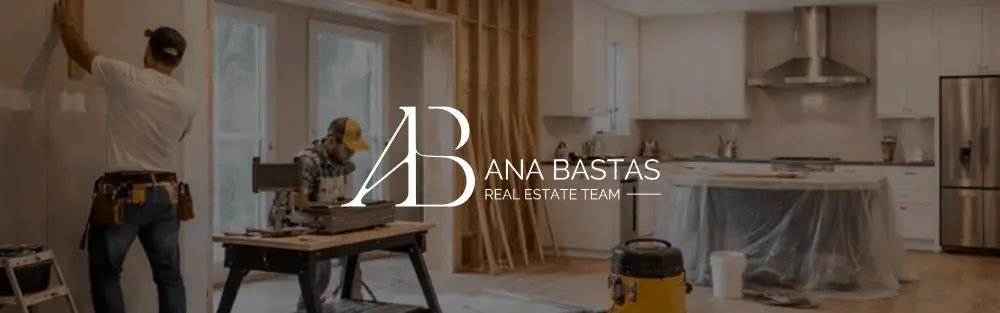
Should You Renovate Before Downsizing? What Ontario Homeowners Should—and Shouldn't—Fix Before Selling

Before You Spend $50,000 on the Kitchen, Read This
You've decided—or are beginning to think—that it may be time to downsize.
Then you look around the house.
The kitchen is 20 years old.
The hardwood is scratched.
The bathroom isn't trendy.
The basement needs paint.
The carpet upstairs has seen better days.
And suddenly the list begins:
“We need to renovate before we sell.”
Maybe.
But maybe not.
One of the most important pieces of advice I can give a homeowner preparing to downsize is:
DON'T RENOVATE BEFORE YOU HAVE A SELLING STRATEGY.
The objective isn't to make your home perfect.
The objective is to determine which improvements, if any, are likely to improve:
Marketability
Buyer perception
Selling price
Time on market
relative to what they cost you.
Those are very different things.
Your Home Doesn't Need to Look Brand New to Sell
If you've lived in a property for 20, 30 or 40 years, it probably doesn't look like a new-build model home.
That's okay.
Buyers don't necessarily expect it to.
What they do notice is whether a property appears:
Clean.
Maintained.
Bright.
Cared for.
Functional.
Well presented.
A dated home and a neglected home are not the same thing.
That distinction matters.
Renovation vs. Repair vs. Presentation
Before making a list, separate three completely different categories.
REPAIR
Fixing something that is:
Broken.
Damaged.
Leaking.
Unsafe.
Not functioning properly.
RENOVATION
Changing or upgrading something that still functions.
For example:
Replacing an older but functioning kitchen.
PRESENTATION
Improving how buyers experience the property.
For example:
Paint.
Cleaning.
Decluttering.
Lighting.
Staging.
Landscaping.
Presentation can sometimes create substantial impact without requiring a major renovation.
Start With the Likely Buyer
Before deciding what to renovate, ask:
Who is most likely to buy this house?
A young family?
Luxury buyer?
Investor?
Builder?
First-time buyer?
Someone looking for a renovation project?
A buyer expecting turnkey?
This changes the strategy.
A renovation that makes sense for one buyer profile may be unnecessary for another.
Look at the Competition
Your house isn't selling in isolation.
It's competing with other homes buyers can purchase right now.
Suppose comparable homes are:
Property A — Fully renovated
Property B — Partially updated
Property C — Original condition
Where does your property fit?
And more importantly:
What price difference is the market actually paying between those conditions?
That's what we need to understand before you renovate.
→ Read: Georgetown Home Value
The Renovation Return Test
Before approving any major improvement, calculate:
EXPECTED SALE PRICE AS-IS
versus
EXPECTED SALE PRICE AFTER IMPROVEMENT
Then subtract:
Renovation cost
Carrying cost
Time
Risk
Stress
Potential overruns
For example:
If a renovation costs:
$40,000
and we reasonably believe it may improve the selling outcome by approximately:
$25,000
that's not a compelling financial renovation.
Even if the house looks prettier.
→ Read: Renovations That Add Value in Ontario
Don't Forget the Value of Your Time
A renovation may take:
6 weeks.
Or:
4 months.
During that period, you may continue paying:
Mortgage.
Property taxes.
Utilities.
Insurance.
Maintenance.
And market conditions may change.
So the real cost isn't simply the contractor's invoice.
Time has a cost too.
What Should You Usually Fix Before Selling?
There is no universal checklist because every property is different.
But buyers generally respond negatively to obvious signs that a home hasn't been maintained.
Items worth evaluating can include:
Active leaks
Broken fixtures
Damaged drywall
Non-functioning doors
Broken windows
Visible water damage
Damaged flooring
Missing trim
Loose railings
Non-functioning lighting
Obvious exterior deterioration
Maintenance issues
The question isn't necessarily:
“Will this add value?”
Sometimes it's:
“Will leaving this unfinished create unnecessary buyer concern?”
Small Problems Can Create Big Buyer Questions
Imagine a buyer sees a water stain on the ceiling.
Maybe it came from a minor plumbing issue that was repaired three years ago.
But if the stain remains, the buyer may think:
Is the roof leaking?
Is there mould?
Is there plumbing damage?
Is this still active?
A relatively small unfinished cosmetic issue can create a much larger psychological concern.
That's why addressing visible maintenance items can matter.
What About Painting?
Paint is one of the first things I evaluate.
Not because every home needs to be painted.
But because paint can potentially:
Brighten rooms
Create consistency
Cover wear
Improve photography
Reduce visual distraction
If the walls are already neutral and in excellent condition, painting may be unnecessary.
If they're:
Very dark.
Highly personalized.
Damaged.
Patchy.
Scuffed.
or inconsistent,
strategic painting may make sense.
But we decide property by property.
What About the Kitchen?
This is where homeowners can overspend dramatically.
You may look at your kitchen and think:
“No buyer will want this.”
That's rarely the right assumption.
The question is:
Will renovating this kitchen produce enough additional market value to justify the cost?
Sometimes the answer is yes.
Sometimes the better strategy is:
Paint.
Hardware.
Lighting.
Countertops.
Backsplash.
Decluttering.
Professional cleaning.
Staging.
Sometimes the correct answer is:
Do nothing. Price the home accordingly and let the buyer renovate it themselves.
Don't Renovate a Kitchen for Your Taste
This is particularly important.
If you're leaving the home, don't design the kitchen you've always wanted.
You're not staying to enjoy it.
And your buyer may have completely different preferences.
If a kitchen renovation is strategically justified, the selections should be:
Broadly appealing.
Appropriate for the property.
Appropriate for the neighbourhood.
Appropriate for the likely buyer.
Not personal.
What About Bathrooms?
Bathrooms are similar.
A severely deteriorated bathroom can affect buyer perception.
But an older bathroom that is:
Clean
Functional
Well maintained
may not automatically require a complete renovation.
Sometimes:
New mirror.
Lighting.
Hardware.
Caulking.
Paint.
Deep cleaning.
Fresh towels and staging.
can materially improve presentation without gutting the room.
What About Flooring?
Flooring can have an outsized impact because it runs throughout the visual field of a home.
Evaluate:
Condition
Consistency
Damage
Odours
Wear
Buyer expectations
Sometimes refinishing hardwood makes sense.
Sometimes replacing heavily damaged carpet makes sense.
Sometimes perfectly serviceable flooring should simply be professionally cleaned.
Again:
Strategy before spending.
What About the Basement?
Homeowners often think they need to finish an unfinished basement before selling.
Usually, that requires careful analysis.
Finishing a basement immediately before selling can involve:
Significant cost
Permits
Construction time
Potential delays
and questions about whether the market will return the investment.
An unfinished basement may already be appropriately reflected in the home's value.
Don't assume it needs to be finished.
What About Landscaping?
First impressions matter.
You don't necessarily need a landscape designer.
But evaluate:
Overgrown shrubs
Dead plants
Weeds
Lawn condition
Walkway
Front entrance
Exterior lighting
Front door
Garbage/debris
The goal is:
Cared for.
Not:
Botanical garden.
What About Windows?
Replacing every older window before selling can become extremely expensive.
The right question is:
Are they functional?
Are seals visibly failed?
Are there broken panes?
Is there moisture intrusion?
Are there obvious problems that will concern buyers?
Don't automatically replace an entire house of windows simply because they're older.
What About the Roof?
The roof can be a major buyer concern.
But age alone doesn't necessarily tell the full story.
Before replacing it, evaluate:
Condition
Leaks
Remaining expected life
Neighbourhood expectations
Cost
Potential buyer response
If the roof genuinely requires replacement, that can become part of the selling strategy.
But don't automatically spend thousands because:
“The shingles aren't new.”
What About HVAC?
The same principle applies.
A furnace or air conditioner doesn't automatically need replacement simply because it isn't new.
Consider:
Function
Maintenance history
Condition
Age
Buyer expectations
If the system is functioning properly, replacement immediately before sale may or may not provide a reasonable return.
What About Electrical or Plumbing?
This is different from cosmetic updating.
Known material issues involving:
Electrical
Plumbing
Structural components
Water intrusion
Environmental concerns
or other significant property matters should be evaluated with the appropriate qualified professionals.
Don't attempt to cosmetically hide a known issue.
Address material concerns properly and disclose where legally required.
What About Asbestos in an Older Home?
Older Ontario homes may contain materials that could potentially include asbestos.
The presence of asbestos-containing material doesn't automatically mean the entire property needs remediation before sale.
But it is also not something to guess about or casually disturb.
If testing, assessment or remediation is appropriate, use qualified professionals and obtain proper advice.
Never renovate suspect material without understanding what you're dealing with.
What About Aluminum Wiring?
Some older homes may contain aluminum wiring.
That doesn't automatically mean:
“Rewire the entire house before listing.”
The appropriate approach depends on the specific property and condition.
If there are electrical concerns, have them evaluated by the appropriate qualified professional.
Again:
Get information before spending.
What About Staging?
Staging is not the same as renovating.
A well-staged home can help buyers understand:
Room size
Furniture placement
Function
Flow
Lifestyle
This can be particularly valuable when selling a longtime family home where rooms have accumulated decades of furniture and belongings.
Sometimes the biggest transformation isn't:
New kitchen.
It's:
Less furniture + better lighting + professional styling.
Decluttering Can Be More Valuable Than Renovating
Imagine a beautiful living room hidden behind:
Three sofas.
Two cabinets.
Collections.
Family photos.
Extra tables.
Boxes.
Heavy window coverings.
Buyers may struggle to appreciate the space.
Removing excess belongings costs significantly less than renovating.
Let the house breathe.
Professional Cleaning Matters
A deep clean can dramatically change buyer perception.
Pay attention to:
Windows
Baseboards
Bathrooms
Kitchen
Appliances
Floors
Light fixtures
Doors
Trim
Basement
Garage
Odours
A clean original kitchen often presents better than a renovated kitchen that isn't well maintained.
Lighting Matters More Than People Think
Dark homes can feel:
Smaller.
Older.
Less inviting.
Before renovating, evaluate:
Burned-out bulbs
Colour temperature
Dark fixtures
Poor room lighting
Heavy window coverings
Sometimes relatively simple lighting improvements significantly improve photography and presentation.
The “Would a Buyer Notice?” Test
For every potential improvement, ask:
Will a buyer notice if we don't do this?
Then:
Will they care?
Then:
How much will they care?
Then:
What does it cost to fix?
That sequence helps prioritize spending.
The “Buyer Discount” Test
Sometimes a seller thinks:
“This repair costs $5,000. I'll just leave it.”
But a buyer sees the problem and mentally deducts:
$20,000.
Why?
Because buyers price:
Uncertainty
Inconvenience
Risk
not just contractor invoices.
This is why certain visible repairs can be worthwhile even when they don't technically “add” value.
They may prevent a disproportionate buyer discount.
But Don't Over-Improve for the Neighbourhood
Suppose surrounding comparable homes generally sell with:
Standard kitchens.
Average finishes.
Original basements.
Basic landscaping.
Installing:
Imported stone.
Custom cabinetry.
Designer appliances.
Luxury millwork.
may not produce a corresponding return.
Your renovation budget needs to match the market.
Don't Renovate Because Your Neighbour Did
Your neighbour's situation may be completely different.
Different:
House.
Lot.
Condition.
Timing.
Buyer.
Budget.
Sale strategy.
Market.
What worked for them isn't automatically right for you.
Selling As-Is Can Sometimes Be the Right Strategy
There are situations where a seller should seriously consider:
Sell as-is.
For example:
The property requires substantial renovation.
The homeowner doesn't want the disruption.
The renovation economics don't make sense.
The target buyer expects to renovate.
The seller needs a faster transition.
The market can appropriately price the condition.
Selling as-is doesn't mean:
Giving the house away.
It means pricing and marketing the property based on its actual condition.
→ Read: Should I Sell & Downsize in Retirement?
When Renovating May Make More Sense
Renovation may deserve consideration when:
The improvement addresses a major buyer objection.
The current condition materially hurts marketability.
The improvement can be completed efficiently.
The cost is controlled.
The expected market benefit reasonably justifies the investment.
The improvement fits buyer expectations for the neighbourhood.
But we should make that decision using market evidence—not emotion.
The Downsizer's Renovation Priority List
Before listing, I generally want to evaluate the property in this order:
1. MATERIAL / FUNCTIONAL ISSUES
Anything requiring qualified professional attention.
2. DEFERRED MAINTENANCE
Obvious signs the home hasn't been maintained.
3. CLEANING
Deep professional clean.
4. DECLUTTERING
Reduce excess belongings.
5. PAINT
Where strategically useful.
6. LIGHTING
Improve brightness and consistency.
7. FLOORING
Repair, refinish, clean or replace where justified.
8. CURB APPEAL
Create a strong first impression.
9. STAGING
Present the property for the target buyer.
10. MAJOR RENOVATION
Only after the numbers support it.
Notice what's last.
→ Read: Downsizing in Georgetown
MAJOR RENOVATION.
The $5K / $25K / $100K Question
Before selling, homeowners sometimes ask:
“How much should I spend?”
There's no predetermined amount.
The answer might be:
$2,500.
$15,000.
$40,000.
$0.
The correct budget is the amount that makes strategic sense for your specific property and market.
Before Spending $100, Spend Nothing
This is the call I want homeowners to make:
“Ana, we're thinking about downsizing and we have a list of things we think we need to renovate. Can you come through before we start?”
Yes.
Absolutely.
That's exactly when I want to see the property.
Not after the contractor is finished.
Get the Home Value in Two Scenarios
For some properties, we can evaluate:
SCENARIO A — SELL AS-IS / LIGHT PREPARATION
Estimated market position: $________
Preparation budget: $________
Timeline: ________
SCENARIO B — RENOVATE
Potential market position: $________
Renovation budget: $________
Timeline: ________
Then compare:
NET RESULT
not simply selling price.
A $75,000 higher sale price after spending $80,000 isn't a victory.
SHOULD I RENOVATE BEFORE SELLING?
Columns:
|
Improvement |
Estimated Cost |
Buyer Impact |
Potential Market Benefit |
Time Required |
Do / Don't / Investigate |
Add this to our existing Georgetown & Halton Downsizing Planner.
Don't Forget Stress
This doesn't appear on a spreadsheet.
But it matters.
If you're 70 years old, downsizing after 35 years and already trying to sort a full house, do you really want:
Contractors arriving at 7:00 AM?
Dust?
Delays?
Material decisions?
Unexpected costs?
Living without a kitchen?
Maybe the financial return justifies it.
Maybe it doesn't.
Quality of life during the transition has value too.
What If Your Children Want You to Renovate?
Adult children often walk into Mom and Dad's house and see:
Everything that looks dated.
But “dated” doesn't automatically mean “needs replacing.”
Before turning the family into a renovation crew, get a market-based opinion.
Your Realtor should help determine what buyers are likely to care about.
What If You're Selling Your Parents' Home?
The same rule applies.
Don't automatically renovate because:
“Mom hasn't updated anything since 1995.”
Original doesn't necessarily mean unsellable.
Depending on the property, buyers may prefer to renovate according to their own taste.
Start with:
Home value + buyer profile + competition + selling strategy.
Then decide.
READ: Helping Aging Parents Sell Their Home in Ontario →
What If You Plan to Sell in 12–24 Months?
That's actually an excellent time to talk.
We can create a phased plan:
NOW
Maintenance and repairs.
NEXT 6–12 MONTHS
Strategic improvements worth enjoying while you still live there.
BEFORE LISTING
Paint, cleaning, decluttering, landscaping and staging.
This is much smarter than trying to complete everything three weeks before going to market.
Annual Home Care Can Help Prevent the Big Pre-Sale Renovation
This is also why we believe in reviewing your property before you're ready to sell.
Through our Annual Home Care Program, homeowners can maintain an updated understanding of:
Market position
Property condition
Potential maintenance priorities
Home value
over time.
That way, you're not suddenly discovering ten years of deferred work immediately before listing.
LEARN ABOUT OUR ANNUAL HOME CARE PROGRAM →
The Ana Bastas Pre-Sale Strategy
Before recommending renovations, I want to understand:
YOUR PROPERTY
Condition, layout, upgrades and maintenance.
↓
YOUR MARKET
Recent sales and current competition.
↓
YOUR BUYER
Who is likely to purchase the property?
↓
YOUR TIMELINE
How quickly do you want or need to sell?
↓
YOUR BUDGET
What are you comfortable investing?
↓
YOUR RETURN
What improvement is reasonably expected from the work?
↓
THEN WE DECIDE WHAT TO DO.
Selling a Longtime Family Home?
Don't spend months renovating because you assume that's what buyers expect.
Start with a walkthrough.
I'll help separate the list into:
MUST ADDRESS
SHOULD CONSIDER
OPTIONAL
DON'T SPEND THE MONEY
That last category can sometimes be the most valuable.
→ Read: Downsizing After 30+ Years
THE GOAL ISN'T TO CREATE THE PERFECT HOUSE.
THE GOAL IS TO CREATE THE BEST POSSIBLE SELLING OUTCOME.
BOOK A PRE-SALE HOME STRATEGY WALKTHROUGH →
REQUEST A COMPLIMENTARY HOME VALUE REVIEW →
FAQ SECTION
Should I renovate my house before selling in Ontario?
Not automatically. Whether renovations make sense depends on the property's condition, likely buyer, comparable homes, renovation cost, timeline and potential effect on the selling outcome.
Is it better to renovate or sell a house as-is?
Either strategy can be appropriate. A property requiring extensive work may appeal to buyers who want to renovate themselves, while strategic improvements may help other homes compete more effectively.
Should I renovate my kitchen before selling?
Only if the expected market benefit reasonably supports the cost and disruption. In some cases, smaller improvements such as paint, hardware, lighting, cleaning or staging may provide sufficient impact.
Should I replace old flooring before selling?
It depends on its condition and buyer expectations. Damaged or heavily worn flooring may negatively affect presentation, while serviceable flooring may only require cleaning or refinishing.
Should I paint before selling?
Painting may help if walls are damaged, highly personalized, dark or inconsistent. A home already painted in broadly appealing colours and good condition may not require repainting.
Should I replace an old roof before selling?
Not solely because of age. The roof's condition, expected remaining life, cost and likely buyer reaction should be evaluated before deciding whether replacement makes sense.
Should I finish my basement before selling?
Not automatically. Finishing a basement can be expensive and time-consuming. Compare the likely market benefit with the total cost and timeline before proceeding.
Should I renovate my elderly parents' house before selling it?
Don't assume extensive renovation is required. Have the property evaluated first so repairs, presentation improvements and major renovations can be prioritized based on the likely market response.
BEFORE YOU RENOVATE, LET'S WALK THROUGH THE HOUSE.
I'll help you determine what may be worth addressing—and what may not be worth spending money on—before you prepare to sell.
BOOK A PRE-SALE HOME STRATEGY WALKTHROUGH
REQUEST A COMPLIMENTARY HOME VALUE REVIEW
Categories
- All Blogs (1300)
- Ana Bastas Real Estate Team (1)
- Ana Bastas Realtor (1)
- Ana bastas Realty (1)
- Brampton (1)
- Burlington (2)
- Buy & Travel™ Program (12)
- Buyer (213)
- Divorce (18)
- Downsizing (7)
- Events (8)
- First Time Home Buyers (140)
- Georgetown (21)
- Georgetown Buyers (8)
- Halton Hills (265)
- Hamilton (23)
- Holidays (1)
- How To (128)
- Interest Rates (2)
- Investor (8)
- Landlord (94)
- Lifestyle (128)
- Milton (74)
- Mississauga (1)
- Mortgage (5)
- Niagara (37)
- Oakville (3)
- Real Estate News (161)
- Realtor (21)
- Renter (96)
- Seller (193)
- Tax's (19)
- Tips (14)
- Toronto (135)
- Wealth Building (8)
- Wellington (3)
- YYZ (107)
Recent Posts










"My job is to find and attract mastery-based agents to the office, protect the culture, and make sure everyone is happy! "