
How Much Is My Georgetown Home Worth? Understanding Your Home’s Market Value

How Much Is My Georgetown Home Worth?
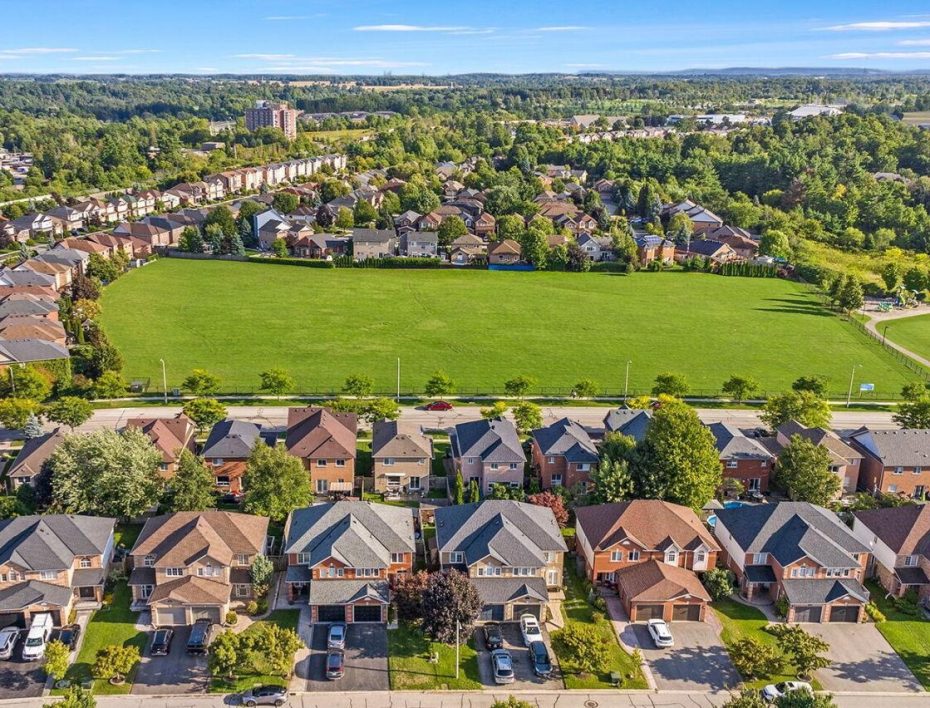
Your Home Is Worth More Than an Online Estimate Can Tell You
If you own a home in Georgetown, you've probably wondered:
“What would my house sell for today?”
Maybe you're thinking about selling.
Maybe you're considering refinancing.
Maybe you're planning a renovation.
Maybe you're reviewing your investments and overall net worth.
Or maybe your neighbour's house just sold and now you're curious.
Whatever prompted the question, understanding the current market position of your home is useful—even if you have absolutely no intention of selling right now.
Your home is likely one of your largest financial assets.
You should understand what that asset is doing.
But determining its value isn't as simple as typing your address into an automated home-value calculator.
What Determines the Value of a Home in Georgetown?
The market ultimately determines value.
But buyers evaluate a combination of factors when deciding what they're willing to pay.
Those include:
Location
Neighbourhood
Street
Lot
Home type
Size
Layout
Bedrooms
Bathrooms
Parking
Basement
Condition
Renovations
Outdoor space
Current competition
Recent comparable sales
Overall market conditions
And sometimes seemingly small differences can have a meaningful effect on how buyers perceive a property.
1. Your Exact Georgetown Location Matters
Two houses can be located only minutes apart and still compete in different segments of the market.
Buyers may evaluate:
- Neighbourhood
- Street
- Traffic
- Schools
- Parks
- Walkability
- Commute
- Nearby amenities
- Lot position
- Surrounding properties
Even within the same neighbourhood, one street can command different buyer interest than another.
That's why a Georgetown home evaluation should begin with the micro-location, not simply the postal code.
2. Recent Comparable Sales Matter
One of the most important components of a home-value analysis is understanding what buyers have actually paid for comparable properties.
We look at sold properties.
But the key word is:
Comparable.
A house that sold nearby isn't automatically a good comparable.
We need to ask:
Was it the same home type?
Similar size?
Similar lot?
Similar condition?
Similar layout?
Renovated?
Finished basement?
Garage?
Same school area?
Same neighbourhood?
Same market period?
Proximity alone doesn't make a property comparable.
3. Current Competition Matters Too
This is something homeowners often overlook.
Your home doesn't only compete with properties that already sold.
It competes with the homes buyers can purchase right now.
Imagine two Georgetown homes.
Your home is listed at $1,250,000.
Another property nearby is listed at $1,199,000.
A buyer is going to compare them.
If yours is more expensive, we need to understand why the buyer should pay the difference.
Maybe yours has:
A better lot.
A finished basement.
A renovated kitchen.
Better parking.
A superior layout.
A pool.
A quieter location.
That's the value story we need to communicate.
4. Your Lot Can Affect Value
Not all lots are equal.
Buyers may place additional value on characteristics such as:
- Larger frontage
- Greater depth
- Privacy
- Premium positioning
- Cul-de-sac location
- Ravine or green-space exposure
- Usable backyard
- Landscaping
- Pool potential
- Existing pool
- Outdoor entertaining space
But lot value is market-specific.
A feature only creates a meaningful premium if buyers in that segment are willing to pay for it.
5. Renovations Can Increase Value—But Not Dollar for Dollar
This is one of the biggest misconceptions homeowners have.
If you spent:
$150,000 renovating your home
that does not automatically mean the house is worth $150,000 more.
Some renovations can significantly improve buyer appeal and marketability.
Others may provide a weaker return.
And highly personalized renovations may actually narrow the buyer pool.
Generally, buyers may respond positively to improvements involving:
Kitchen
Bathrooms
Flooring
Lighting
Paint
Curb appeal
Functional living space
Major mechanical updates
But the value depends on:
Quality + design + neighbourhood + price range + buyer expectations.
For a deeper discussion:
READ: What Renovations Add the Most Value to a Home in Ontario? →
6. Condition Matters
Two identical floor plans can sell very differently.
Imagine one home is:
Freshly painted.
Professionally staged.
Well maintained.
Bright.
Clean.
Updated.
Move-in ready.
And the second has:
Deferred maintenance.
Dated finishes.
Visible repairs.
Clutter.
Poor presentation.
Buyers don't evaluate those homes the same way.
Condition affects both perceived value and buyer confidence.
7. Layout Matters More Than Square Footage Alone
Square footage is important.
But buyers don't live in a spreadsheet.
They experience the layout.
A well-designed 2,000-square-foot home can sometimes feel more functional than a poorly designed larger home.
Buyers may consider:
- Kitchen placement
- Main-floor flow
- Bedroom sizes
- Primary suite
- Number of bathrooms
- Home office
- Laundry location
- Storage
- Basement usability
- Natural light
That's why automated valuation tools struggle to understand certain property differences.
8. Your Basement Can Matter
A finished basement may increase a property's usefulness and buyer appeal.
But again, the premium isn't simply:
Cost of basement renovation = increase in value.
We evaluate:
- Finish quality
- Ceiling height
- Layout
- Bathroom
- Bedroom potential
- Natural light
- Storage
- Separate entrance where applicable
- Overall usability
A beautiful basement that genuinely expands a family's living space can be an important selling feature.
9. Market Conditions Matter
Your home doesn't have one permanent value.
Market value changes.
Factors influencing the Georgetown real estate market can include:
- Inventory
- Buyer demand
- Interest rates
- Consumer confidence
- Seasonality
- Competing listings
- Economic conditions
- Property type
- Price segment
A home that could have generated intense competition in one market may require a completely different strategy in another.
Real estate value is a snapshot in time.
10. Timing Can Affect Your Selling Strategy
Does spring automatically mean your home is worth more?
No.
Sometimes spring creates more buyers.
But it can also create more competition.
A lower-inventory period may provide an advantage for the right property.
Your ideal timing should consider:
Market + competition + property + preparation + your personal timeline.
We've created a separate Georgetown guide:
READ: When Is the Best Time to Sell a House in Georgetown, Ontario? →
Why Zillow-Style Automated Home Values Aren't Enough
Automated valuation tools can be useful as a starting point.
But an algorithm may not fully understand that:
Your kitchen was renovated last year.
Your neighbour's wasn't.
Your lot is significantly better.
Your basement is finished.
Your home backs onto something desirable—or undesirable.
Your property has been meticulously maintained.
Another comparable required substantial work.
Your particular street commands different buyer demand.
An algorithm sees data. Buyers see a home.
A proper market analysis needs both.
What About My Municipal Property Assessment?
A municipal or property-tax assessment should not automatically be treated as your home's current resale market value.
Its purpose and methodology are different from determining what a buyer may pay for your property in today's open real estate market.
For selling purposes, we need to look at current market evidence.
What Is a Comparative Market Analysis?
A Comparative Market Analysis—or CMA—looks at relevant market data to estimate where your property may reasonably compete.
A useful Georgetown CMA can include:
SOLD
What did buyers actually pay?
ACTIVE
What alternatives are available today?
CONDITIONAL/PENDING WHERE AVAILABLE
What properties have attracted buyers?
EXPIRED / TERMINATED
Where did the market reject the property or pricing strategy?
DAYS ON MARKET
How quickly are comparable properties moving?
PROPERTY DIFFERENCES
What makes your home better or worse than the alternatives?
The objective isn't simply to produce a number.
It's to understand your property's position in the current market.
Market Value vs. List Price
These are not necessarily the same thing.
Market Value
An estimate of what the property may reasonably command based on market evidence.
List Price
A strategic marketing decision.
Sometimes those numbers are similar.
Sometimes they aren't.
A listing strategy may be designed around:
- Buyer search brackets
- Competition
- Offer strategy
- Market momentum
- Property uniqueness
- Seller priorities
Pricing is both analysis and strategy.
The Highest Suggested List Price Isn't Necessarily the Best Advice
If you're interviewing Realtors and one says:
$1.2 million
another says:
$1.25 million
and another says:
$1.35 million
don't automatically choose the person who gives you the highest number.
Ask:
“Show me why.”
A strong pricing recommendation should be supported by market evidence.
The goal isn't to win your listing appointment.
The goal is to sell your home under the strongest terms the market will support.
Should I Renovate Before Getting a Home Evaluation?
No.
In fact, I often prefer homeowners speak with me before undertaking major work specifically for resale.
Before spending:
$10,000
$25,000
or
$100,000+
let's determine whether the market is likely to reward the investment.
Sometimes we recommend renovations.
Sometimes strategic cosmetic preparation is enough.
Sometimes I may tell you:
Don't touch it.
That conversation can potentially save homeowners significant time and money.
I'm Not Selling. Why Should I Know My Home's Value?
Because selling isn't the only reason your property value matters.
Your home may form part of:
Your net worth
Retirement planning
Estate planning
Investment strategy
Future purchasing decisions
Financing conversations
Long-term wealth planning
You don't need to obsess over its value every month.
But reviewing it periodically can help you maintain a better understanding of your overall financial position.
The Ana Bastas Annual Home Care Program
We believe homeowners should have an updated understanding of their home's market position even when they aren't actively planning to sell.
That's why our client-care approach includes a:
Complimentary Annual Home Value Review
Think of it as an annual check-in on one of your largest assets.
We review the property in the context of current market conditions and relevant comparable activity.
And if you're not selling?
That's perfectly fine.
This isn't a listing appointment disguised as a home evaluation.
It's part of helping homeowners remain informed about their real estate wealth.
What Happens During a Home Value Review?
Depending on the property and circumstances, we may review:
Your property details
Recent improvements
Relevant comparable sales
Current competition
Market conditions
Potential value range
Future improvement considerations
Long-term real estate plans
If you're considering selling, we can then take the analysis further into:
Preparation
Staging
Timing
Marketing
Pricing
Launch strategy
How Often Should I Review My Georgetown Home's Value?
For most homeowners who aren't actively selling, an annual review is a practical rhythm.
If you're considering selling within the next 6–12 months, it can make sense to review earlier so there is time to plan any preparation strategically.
Market conditions can also change quickly, so an older valuation shouldn't be assumed to remain accurate indefinitely.
How Do I Find Out What My Georgetown Home Is Worth?
You can start with an online estimate.
But if you want a more property-specific understanding, request a Complimentary Home Value Review.
We'll look at:
Your home.
Your neighbourhood.
Your competition.
Your improvements.
Your market.
And give you the context behind the number.
Own a Home in Georgetown?
Whether you're selling this year, five years from now or have no plans to sell at all, understanding your home's current market position is useful.
YOUR HOME IS MORE THAN WHERE YOU LIVE.
IT'S ALSO ONE OF YOUR LARGEST ASSETS.
REQUEST YOUR COMPLIMENTARY HOME VALUE REVIEW →
No obligation to sell.
FAQ SECTION
How much is my Georgetown home worth?
Your home's market value depends on recent comparable sales, current competition, neighbourhood, street, lot, size, layout, condition, renovations and current market conditions. A property-specific market analysis provides more context than a generic automated estimate.
How can I find my home's current market value?
A Realtor can prepare a Comparative Market Analysis using recent comparable sales, active competition and your property's specific characteristics.
Are online home-value estimates accurate?
Automated estimates can provide a starting point but may not fully account for renovations, condition, lot characteristics, layout and other property-specific factors.
Does renovating my house increase its value?
Renovations can increase buyer appeal and market value, but renovation cost doesn't necessarily translate dollar-for-dollar into additional resale value.
Does a finished basement increase home value?
A finished basement may increase usefulness and buyer appeal. The impact depends on its quality, layout, functionality and the expectations of buyers in that market segment.
Is my property-tax assessment the same as market value?
Not necessarily. A property assessment used for taxation and the price buyers may pay in the current resale market serve different purposes.
Should I get a home evaluation even if I'm not selling?
It can be useful. Periodically understanding the value of a major asset can assist with broader financial, real estate and long-term planning.
How often should I check my home's value?
For homeowners who aren't actively selling, an annual market review can provide a useful update. If you're preparing to sell, a more current analysis should be completed closer to the intended listing date.
Categories
- All Blogs (1265)
- Ana Bastas Real Estate Team (1)
- Ana Bastas Realtor (1)
- Ana bastas Realty (1)
- Brampton (1)
- Burlington (1)
- Buy & Travel™ Program (12)
- Buyer (211)
- Divorce (17)
- Downsizing (3)
- Events (8)
- First Time Home Buyers (139)
- Georgetown (17)
- Georgetown Buyers (8)
- Halton Hills (264)
- Hamilton (23)
- Holidays (1)
- How To (126)
- Interest Rates (1)
- Investor (6)
- Landlord (92)
- Lifestyle (128)
- Milton (63)
- Mississauga (1)
- Niagara (34)
- Oakville (2)
- Real Estate News (161)
- Realtor (20)
- Renter (94)
- Seller (189)
- Tax's (19)
- Tips (12)
- Toronto (135)
- Wealth Building (6)
- Wellington (2)
- YYZ (107)
Recent Posts










"My job is to find and attract mastery-based agents to the office, protect the culture, and make sure everyone is happy! "